4 Freight Transport Explained: Land, Air & Sea + Interstate Transport in Australia
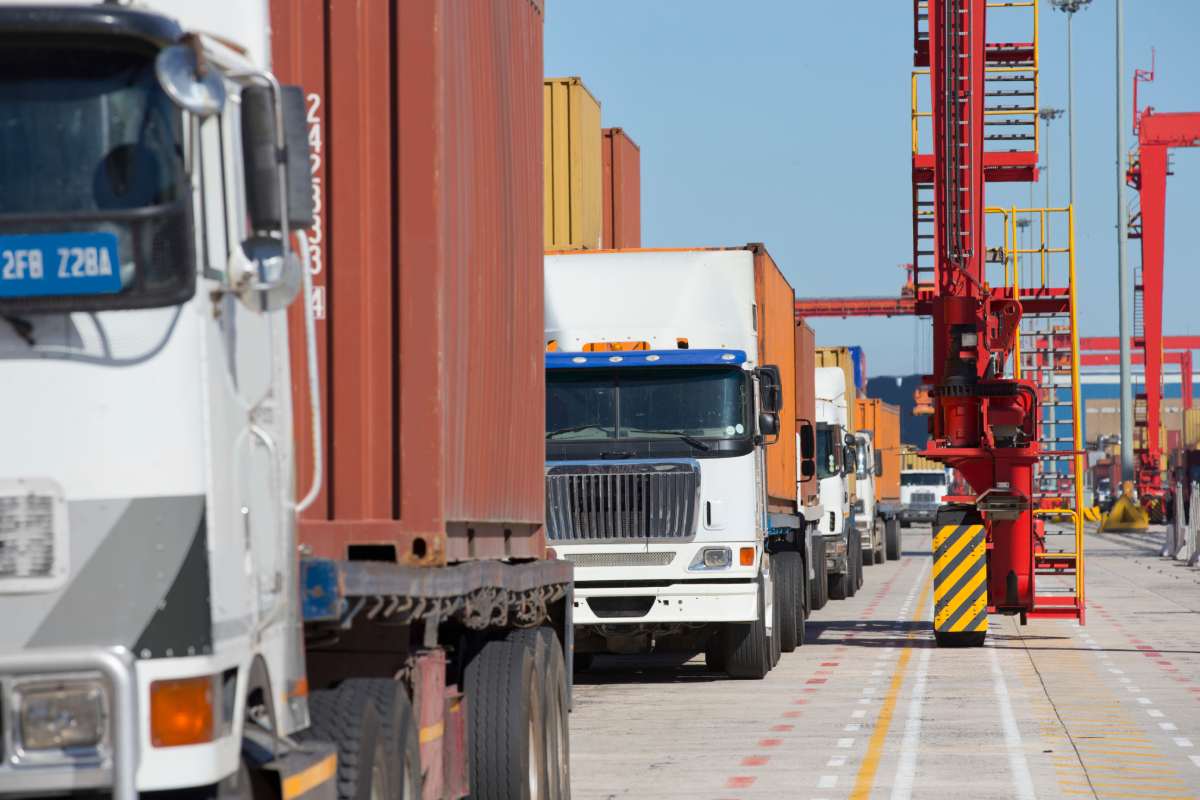
Water, earth, and air—these are not just the classical elements you might remember from school, but they also represent the three fundamental modes of transporting goods across the world: sea freight, land freight, and air freight. Each of these freight types plays a crucial role in modern logistics, and understanding how they work can help businesses and individuals make smarter, more cost-effective decisions when moving goods.
Australia is an increasingly connected global economy, and choosing the right freight method is more important than ever. Whether you’re transporting perishable food, heavy machinery, or high-value electronics, the method you select will directly impact delivery time, cost, and overall safety. This guide explores each freight type in detail, outlining their strengths, limitations, and best-use scenarios—so your cargo gets where it needs to go efficiently and securely.
Cargo and Route Determine the Type of Freight Transport
Not all cargo is created equal. From hazardous chemicals and flammable liquids to delicate perishables and heavy bulk materials like gravel or sand, every type of freight has its own requirements. These requirements play a critical role in determining which transport method is most appropriate.
For instance, perishable goods such as fresh produce or pharmaceuticals often demand rapid delivery. In these cases, speed becomes the top priority, making air freight an obvious choice. On the other hand, bulky or heavy goods like construction materials or mining equipment require transport methods that can handle high volumes—making sea or rail freight more suitable.
The route also matters significantly. Transporting goods across continents may limit your options to air or sea freight, while domestic or regional deliveries often rely heavily on land freight solutions.
Core Criteria When Choosing the Type of Freight
When selecting the most suitable freight method, several key factors come into play:
- Freight route: The distance, terrain, and infrastructure available all influence the choice.
- Required transport speed: Urgent deliveries may require faster (and often more expensive) options.
- Cargo characteristics: Weight, size, fragility, and hazard level are all critical considerations.
Interestingly, cost is not always the first factor to consider. While freight charges are undeniably important, practical limitations often narrow down your options before pricing even enters the conversation. For example, you cannot transport goods from Australia to Europe by road alone, and sending extremely heavy machinery by air may not be feasible due to weight restrictions.
In many cases, the nature of the journey itself eliminates certain freight methods. This is why understanding each type of freight is essential before making a final decision.
4 Types of Freight: Advantages and Disadvantages
Freight transport is not always limited to a single mode. In fact, multimodal transport—using a combination of road, rail, sea, and air—is very common in logistics today. However, each primary freight type still has its own distinct characteristics.
Let’s take a closer look.
Land Freight: Road Transport
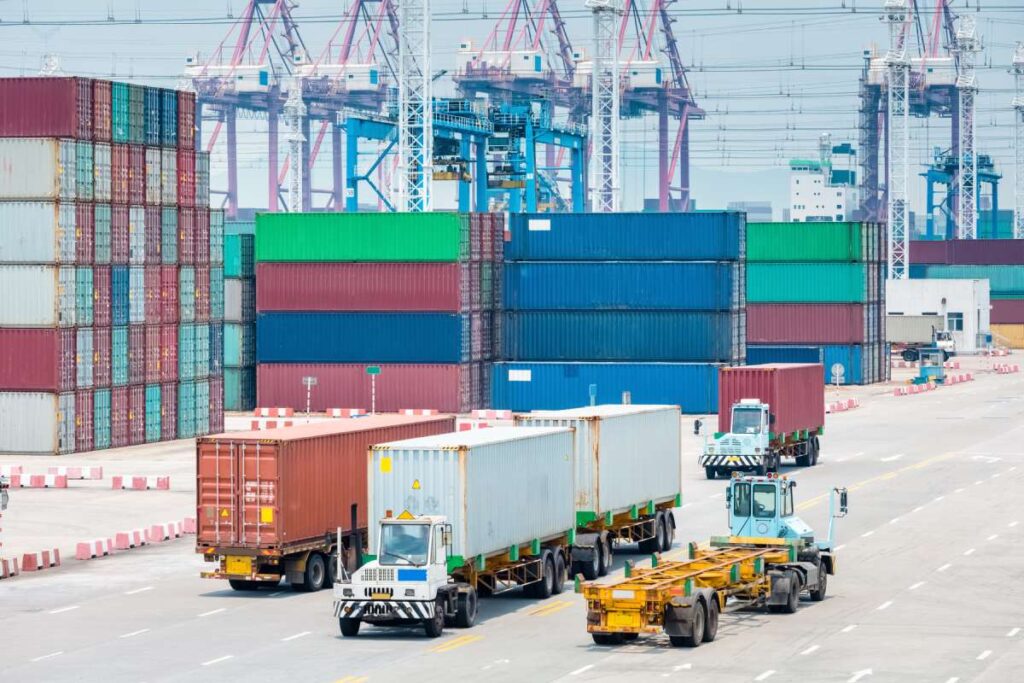
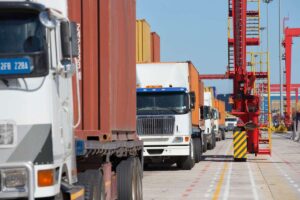
Road freight is one of the most widely used transport methods, involving the movement of goods via trucks on road networks. This includes everything from standard semi-trailers to specialised vehicles like refrigerated trucks and tankers for liquids and gases.
One of the biggest advantages of road freight is its accessibility. Nearly every business location is connected to a road network, making door-to-door delivery possible without the need for additional handling or transfers. This reduces the risk of damage and speeds up the delivery process.
Flexibility is another major benefit. Road transport allows for dynamic routing, making it easier to adapt to changes such as traffic conditions or urgent delivery requirements.
However, road freight does come with limitations. Each truck has a restricted carrying capacity, meaning multiple trips may be required for large shipments. Additionally, reliance on fossil fuels contributes to environmental concerns, and congestion in urban areas can lead to delays.
Despite these drawbacks, road freight remains one of the most cost-effective and efficient solutions for short to medium distances.
Land Freight: Rail Transport
Rail freight offers a powerful alternative within land transport, particularly for moving large volumes of goods over long distances. Freight trains can carry significantly more cargo than trucks, making them ideal for bulk shipments.
One of the standout advantages of rail transport is its environmental efficiency. With a higher reliance on electric power, rail freight generally produces fewer emissions compared to road transport. It is also known for its reliability and safety, with lower risks of accidents or delays caused by traffic congestion.
However, rail freight is not without its challenges. The rail network is less extensive than road infrastructure, meaning that most shipments require additional transport—usually by truck—to reach their final destination. This adds time and complexity to the logistics process.
Costs can also be higher, especially when factoring in loading and unloading at rail terminals. As a result, rail freight is best suited for long-distance, high-volume shipments where efficiency outweighs the need for speed and flexibility.
Land Freight in Australia: Interstate Transport Solutions
When it comes to a vast country like Australia, land freight becomes even more critical—particularly for interstate transport. Moving goods between major cities such as Adelaide, Darwin, Perth, and Brisbane requires reliable logistics networks that can handle long distances and varying road conditions.
This is where interstate transport plays a vital role. Businesses rely heavily on road freight to move goods across state lines efficiently, often combining it with rail for bulk shipments. Whether it’s transporting commercial goods, heavy equipment, or even caravans, land freight provides the backbone of Australia’s domestic supply chain.
For those seeking dependable interstate logistics solutions, Darwin Logistics & Freight Transport stands out as a trusted provider. With experience in handling long-haul freight across Australia, they offer tailored transport services designed to ensure goods arrive safely and on time. Their expertise in route planning, load management, and compliance makes them a valuable partner for businesses looking to streamline their supply chain.
Air Freight
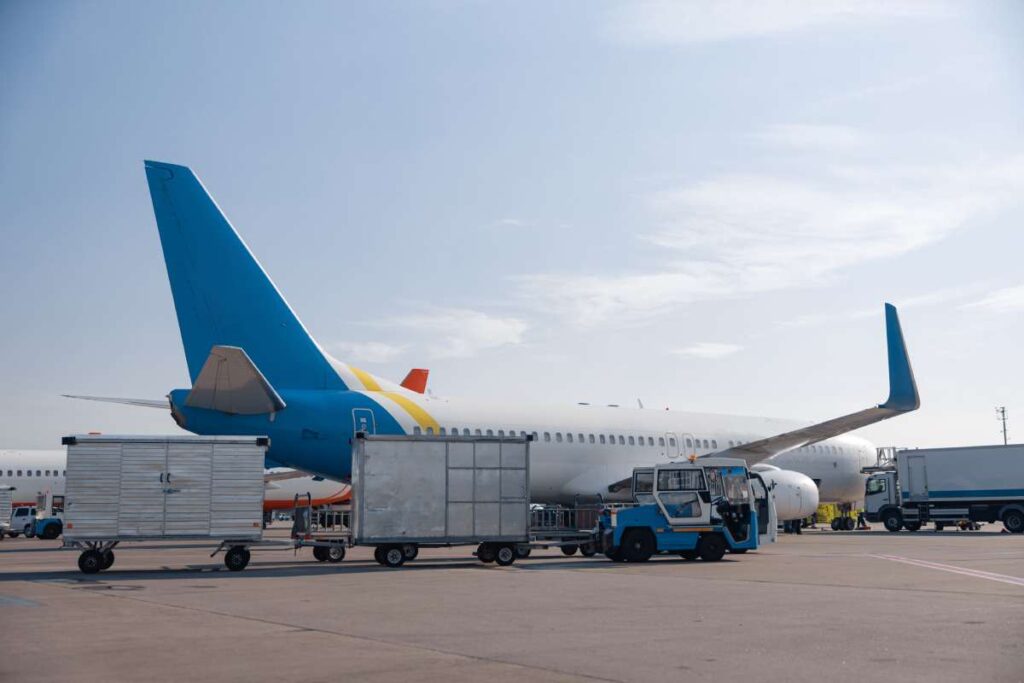
Air freight is the fastest method of transporting goods, making it ideal for time-sensitive shipments. Whether it’s medical supplies, high-value electronics, or urgent documents, air transport ensures rapid delivery across long distances.
One of the key advantages of air freight is its speed. Unlike sea or land transport, aircraft can cover vast distances in a matter of hours, bypassing geographical barriers such as oceans and mountains.
However, this speed comes at a cost. Air freight is the most expensive transport option and has limited capacity compared to ships or trains. It is also less suitable for heavy or bulky items due to weight restrictions.
Additionally, air transport has a higher environmental impact, with significant carbon emissions per shipment. For this reason, many businesses reserve air freight for high-priority deliveries where speed is essential.
Sea Freight
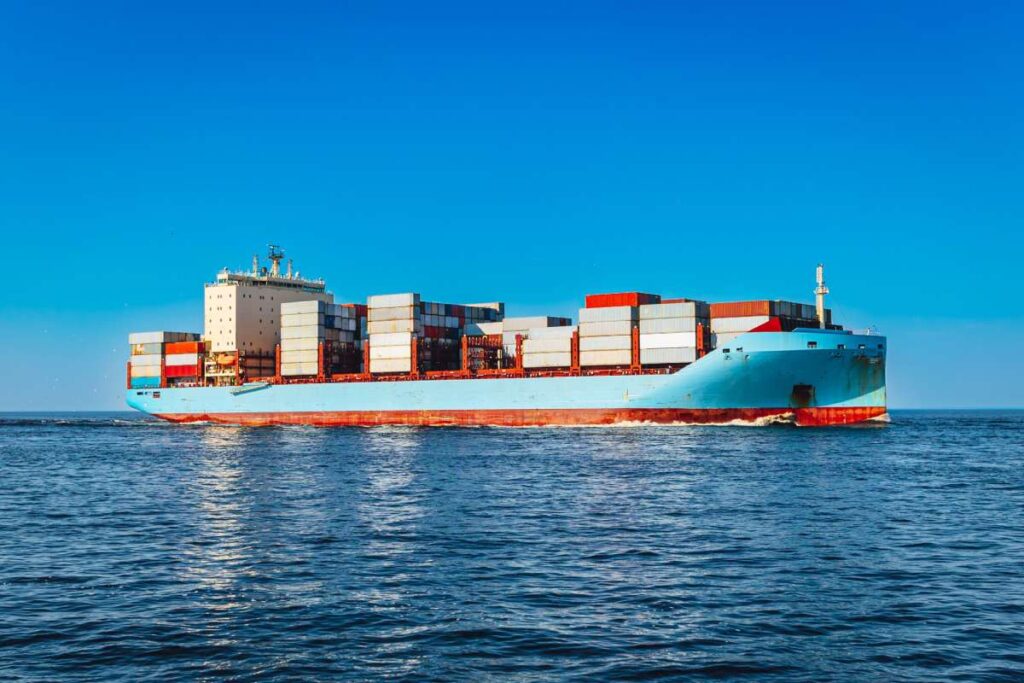
Sea freight is the backbone of global trade, responsible for transporting the majority of goods across international markets. Large container ships and bulk carriers move everything from consumer products to raw materials across oceans.
One of the biggest advantages of sea freight is its capacity. Ships can carry enormous volumes of cargo, making them ideal for transporting heavy or bulky goods. It is also one of the most cost-effective methods for long-distance shipping.
Sea freight also offers flexibility in shipment size. Businesses can choose between Full Container Load (FCL) for large shipments or Less Than Container Load (LCL) for smaller consignments.
However, the main drawback is time. Sea transport is significantly slower than air freight, with transit times often taking weeks. Delays at ports and customs can further extend delivery times.
Despite this, sea freight remains indispensable for international trade, particularly when cost efficiency and volume are more important than speed.
Choosing the Right Freight Method
Selecting the right freight method ultimately comes down to balancing speed, cost, and practicality. In many cases, businesses use a combination of transport modes to achieve the best results.
For example, goods may be shipped internationally by sea, then transported domestically by rail and finally delivered by truck transport. This multimodal approach allows businesses to optimise efficiency while keeping costs under control.
Understanding the strengths and limitations of each freight type enables better decision-making and helps avoid unnecessary delays or expenses.
Final Thoughts
Freight transport is far more than simply moving goods from point A to point B. It involves careful planning, an understanding of cargo requirements, and the ability to choose the most suitable transport method for each situation.
Land, sea, and air freight each have their own advantages and challenges, and the best choice will always depend on the specific needs of the shipment. For businesses operating in Australia, particularly those requiring interstate transport, reliable land freight solutions are essential.
If you’re looking to move goods efficiently across long distances, working with experienced providers like Darwin Logistics & Freight Transport can make all the difference. Their expertise in interstate logistics ensures that your cargo is handled with care, delivered on time, and transported in the most efficient way possible.













Post Comment