Mandurah Fruit Trees: The Ultimate Coastal Growing Guide

Is there anything more heartbreaking than watching a $50 fruit tree turn into a stick in the ground?
If you live in Mandurah, you know the struggle. You buy a lush, green sapling from the nursery, dig a hole, and water it with hope. Two weeks later, the leaves are yellowing, the water is running straight through the “gutless” sand, and the afternoon sea breeze has stripped it bare.
It’s not your fault. It’s the soil.
Growing food on the Swan Coastal Plain presents a unique set of challenges that generic gardening books don’t warn you about. But here is the good news: Mandurah can be a fruit-growing paradise. With our Mediterranean climate, mild winters, and long sunny days, you can grow everything from mangoes to mulberries—if you follow the right playbook.
This guide is your blueprint for turning that patch of grey sand into a thriving food forest.
Table of Contents
- Top 5 Trees for Mandurah
- Fixing Mandurah’s Sandy Soil
- Citrus: The King of Coastal Gardens
- Stone Fruit & Deciduous Favourites
- Going Tropical: Mangoes and Avocados
- Defending Your Garden: Wind and Water
- FAQs
Top 5 Trees for Mandurah
Looking for a quick answer? Here are the most reliable performers for our local climate.
The Best Fruit Trees for Mandurah & The Peel Region:
- Citrus: (Specifically Eureka Lemons and Tahitian Limes) – Love the sun, need wind protection.
- Olives: (Manzanillo or Kalamata) – Incredibly hardy, salt-tolerant, and drought-resistant once established.
- Figs: (Brown Turkey or Genoa Black) – Thrives in the heat and handles poor soil better than most.
- Mulberries: (Hicks Fancy) – Fast-growing and provides excellent summer shade.
- Mangoes: (Kensington Pride) – Surprisingly successful in Mandurah if protected from frost in year one.
Pro Tip: Always look for trees grafted onto rootstocks suitable for sandy soils (like Citrus trifoliata for citrus).
Fixing Mandurah’s Sandy Soil
You cannot dig a hole in Mandurah sand, drop in a tree, and expect it to survive. The local soil is naturally hydrophobic (repels water) and lacks the nutrients needed for hungry fruit trees.
Before you buy a single tree, you must become a soil builder.
The “Sand-to-Soil” Recipe: To give your tree a fighting chance, dig a hole twice as wide as the pot and mix the removed sand with:
- Kaolin or Bentonite Clay: This is non-negotiable. Clay binds the sand particles together, helping the soil hold water and fertilizer.
- Organic Compost: Adds life and nutrients.
- Slow-Release Fertilizer: Use a high-quality mix with trace elements.
- Wetting Agent: Essential to stop water from pooling on top and running off.

Citrus: The King of Coastal Gardens
If you walk through any established backyard in Halls Head or Silver Sands, you will likely spot a lemon tree. Citrus trees adore the Mandurah climate, provided you manage their thirst.
What to Plant:
- Lemons: The Eureka fruits all year round and love the coast. The Meyer is sweeter and more cold-tolerant but slightly less “lemony.”
- Limes: Tahitian Limes are robust. Kaffir Limes are excellent for cooking and can be grown easily in large pots if space is tight.
- Mandarins: The Imperial is an early fruiter (great for kids’ lunchboxes), while the Emperor offers a larger, looser-skinned fruit later in the season.
The Secret to Success: Citrus are heavy feeders. They are the “hungry teenagers” of the garden. You need to feed them seasonally (late winter, late spring, and late summer) with a dedicated citrus fertilizer. If leaves turn yellow, they are likely starving for iron or magnesium—common issues in our alkaline coastal soils.
Stone Fruit & Deciduous Favourites
Many people think Mandurah is too hot for apples or peaches. This isn’t true; you just need varieties with “low chill hours.” Traditional apples need frost to set fruit, but “low chill” varieties are bred for our mild winters.
Top Picks:
- Apples: Look for Pink Lady, Anna, or Golden Delicious. These will crop heavily without needing snow.
- Stone Fruit: Tropic Beauty Peaches and Nectarines are bred specifically for warmer climates.
- Figs: The ultimate survivor. A fig tree will happily grow where others fail. Just be warned: their root systems are vigorous. Do not plant them near your pipes or swimming pool!
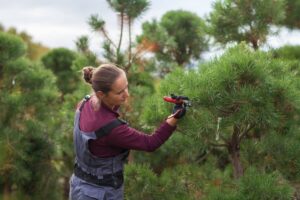
Local Maintenance Tip: When hiring a professional, it is important to understand the method they will use; for example, knowing the difference between Tree Lopping vs. Tree Pruning can ensure you don’t accidentally damage your tree’s future fruit production capabilities.

Going Tropical: Mangoes and Avocados
Can you really grow tropicals this far south of the equator? Absolutely. Mandurah sits in a sweet spot where we avoid the heavy frosts of inland areas.
The Mango Strategy: The Kensington Pride is the gold standard. The trick is the first two winters. You must cover young trees with shade cloth or a frost fleece if the temperature dips near zero. Once the tree is established (3+ years), it becomes surprisingly hardy.
The Avocado Challenge: Avocados are tricky. They hate “wet feet” (roots sitting in water) but also hate drying out. Mandurah’s fast-draining sand is actually a benefit here, preventing root rot.
- Variety: Bacon or Fuerte are more cold-tolerant than Hass.
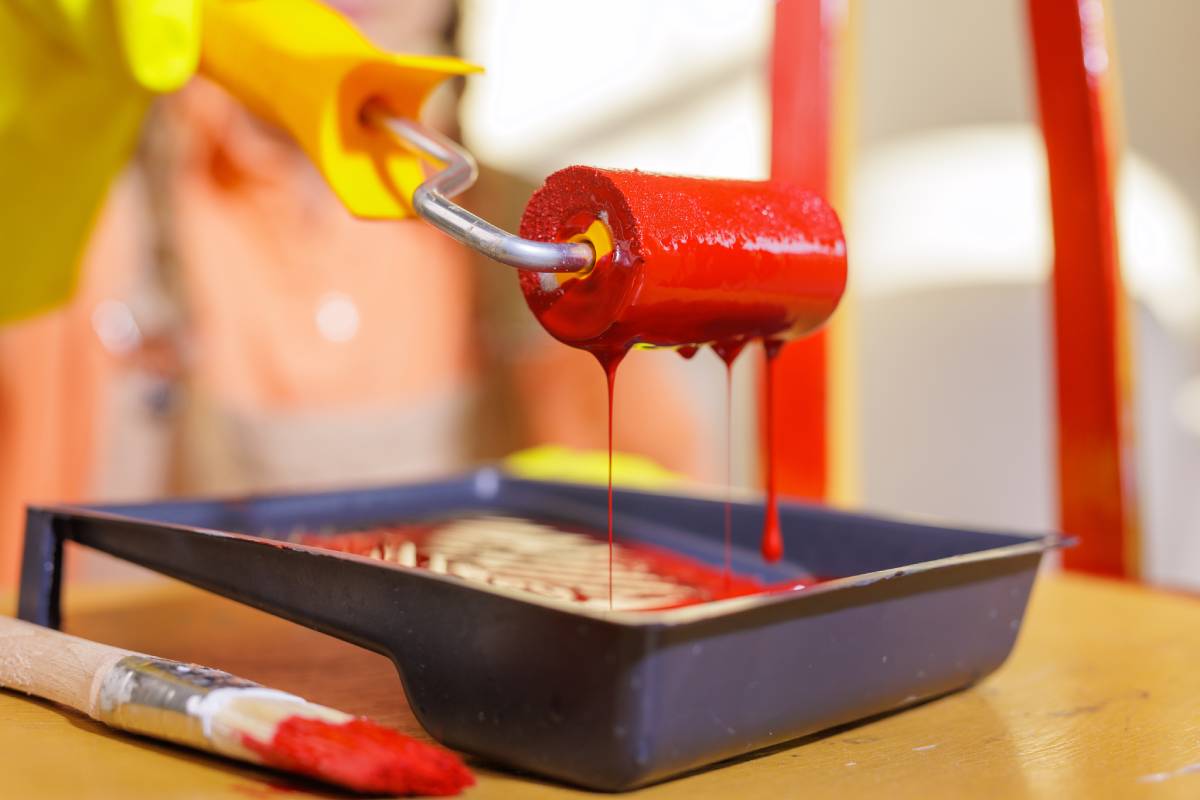
- Tip: Avocados get sunburned! Paint the trunk of young trees with white water-based paint to protect the bark from the scorching WA sun.
Defending Your Garden: Wind and Water
Beating the Sea Breeze The afternoon sea breeze is great for cooling us down, but it desiccates fruit trees.
- Stake securely: Use two stakes with soft ties in a figure-eight pattern.
- Create a micro-climate: Plant hardy natives (like Coastal Rosemary) on the windward side to act as a sacrificial shield for your delicate fruit trees.
The Watering Rule In summer, our evaporation rates are sky-high. The radiant heat from the ground can be just as damaging as the sun from above. Similar to how you might treat Heat Stress on Lawns, your fruit trees require cool soil to recover from the day’s peak temperatures.
- Mulch, Mulch, Mulch: Apply a 7-10cm layer of coarse lupin mulch or wood chips. Keep it away from the trunk to prevent collar rot.
- Deep Watering: Hand watering for 2 minutes does nothing. You need deep soakings 2-3 times a week rather than light sprinkles every day. This forces roots to chase water deep down, making the tree more drought-resilient.

Conclusion
Growing fruit trees in Mandurah isn’t just about gardening; it’s about adaptation. We don’t have the deep loam of the hills, but we have sunshine in abundance and a climate that allows for a year-round harvest.
By improving your soil with clay and compost, choosing the right “low chill” or coastal varieties, and respecting the wind, you can stop buying tasteless supermarket fruit and start eating from your own backyard.
Ready to get started? Don’t wait for spring. The best time to prepare your soil is now. Head to your local landscape yard for clay, or if you need to clear old stumps and dangerous overgrowth to make space for your new orchard, give Wiktora Bros Tree Works in Mandurah a call to help clear the slate.
Have you had success growing avocados or mangoes in the Peel region? Drop a comment below and let us know your secret!
FAQs
Q: When is the best time to plant fruit trees in Mandurah? A: Autumn is ideal. Planting in April or May gives the tree time to establish its root system while the soil is still warm, allowing it to settle in before the scorching heat of the following summer. Spring planting is okay, but requires diligent watering.
Q: Can I grow fruit trees in pots in Mandurah? A: Yes! Dwarf varieties are perfect for coastal courtyards. Ensure you use a premium potting mix (not garden soil) and use a pot at least 40-50cm wide. Dwarf lemons, limes, and kumquats thrive in pots.
Q: Why do my fruit trees flower but never produce fruit? A: This is often a pollination issue. Bees are less active in high winds. Try planting pollinator-friendly flowers like lavender or rosemary near your fruit trees to attract bees. Alternatively, a lack of water during flowering can cause the tree to drop its fruit to survive.
Q: How do I stop fruit flies in WA? A: Mediterranean Fruit Fly (Medfly) is a major pest here. You must use baiting traps (like Cera Trap) starting in early spring. For 100% protection, netting your trees or bagging individual fruit clusters is the most effective method.









Post Comment